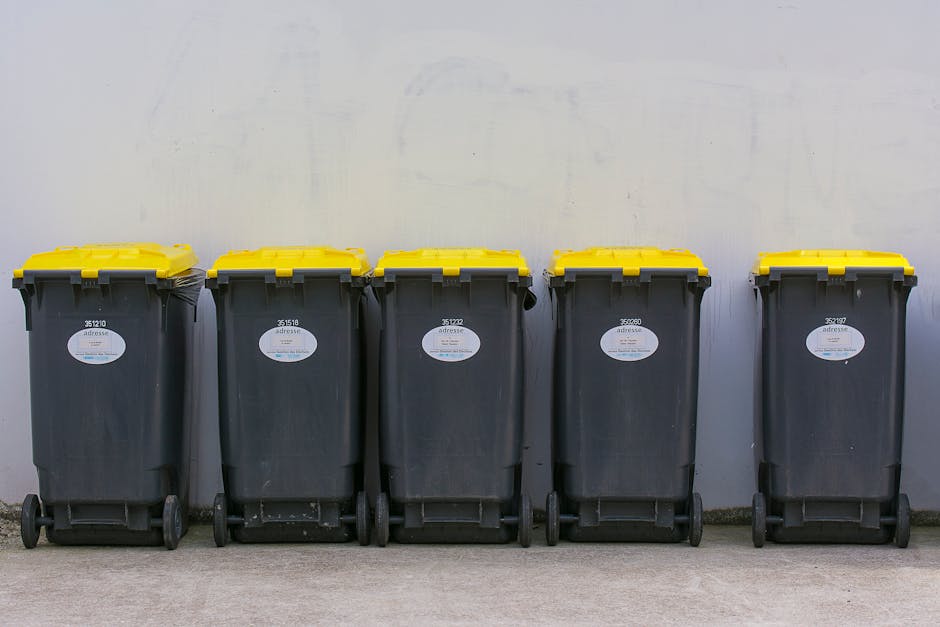
Household rubbish collection guide South Yeading estate UB4
If you live on South Yeading estate and the bins are overflowing, the hallway is full of bagged-up clutter, or you simply need a clearer plan for getting rid of household rubbish, you are in the right place. This Household rubbish collection guide South Yeading estate UB4 is designed to make the whole process less messy, less stressful, and far more practical. We will look at what household rubbish collection usually involves, how to prepare items properly, what to avoid, and when a local clearance service may be the smarter option. Truth be told, most people do not need more theory. They need a straightforward way to clear space without creating a new problem.
Whether you are dealing with a one-off clear-out, an awkward bulky item, or a regular build-up from day-to-day living, the aim here is simple: help you dispose of waste safely, sensibly, and with fewer surprises.
Contents
- Why Household rubbish collection guide South Yeading estate UB4 Matters
- How Household rubbish collection guide South Yeading estate UB4 Works
- Key Benefits and Practical Advantages
- Who This Is For and When It Makes Sense
- Step-by-Step Guidance
- Expert Tips for Better Results
- Common Mistakes to Avoid
- Tools, Resources and Recommendations
- Law, Compliance, Standards, or Best Practice
- Options, Methods, or Comparison Table
- Case Study or Real-World Example
- Practical Checklist
- Conclusion
- Frequently Asked Questions
Why Household rubbish collection guide South Yeading estate UB4 Matters
Household rubbish may sound simple, but in real life it rarely is. A few extra bin bags can turn into a blockage in the kitchen, a smell in warm weather, or an awkward pile by the front door that you keep stepping around. On a busy estate, where space is tight and access can be shared, small waste issues tend to snowball fast.
That is why a local-minded guide matters. South Yeading estate has the same everyday realities many London homes face: limited storage, shared walkways, mixed types of waste, and not much patience for clutter hanging about. If rubbish is not sorted properly, it can attract pests, create safety risks, and become a nuisance for neighbours. Nobody wants that, especially on a damp Tuesday evening when the bags are already starting to sag.
A proper collection plan helps you:
- keep living areas cleaner and safer
- avoid missed collection problems
- reduce the chance of odours, spills, or pests
- separate general waste from recyclable or specialist items
- prepare larger items for removal without damaging communal spaces
For bigger clear-outs, it can also help to compare a standard household approach with a broader service such as waste removal or a more complete home clearance option, especially when you have mixed waste, furniture, or items that do not fit neatly into one bin category.
How Household rubbish collection guide South Yeading estate UB4 Works
At the simplest level, household rubbish collection is about moving waste from your home to the right disposal route. That might mean your regular bin service, a booked collection, a bulky waste pickup, or a private clearance service. The right route depends on what you have, how much of it there is, and how quickly it needs to go.
In practice, the process usually looks like this:
- You identify the waste type: general rubbish, recyclables, food waste, old furniture, appliances, garden waste, or something more specialist.
- You separate items into sensible groups so nothing awkward ends up mixed in with everyday rubbish.
- You decide whether the waste can go through normal household collection or needs a dedicated pickup.
- You make sure the items are easy to access, because a blocked stairwell or a tight corridor slows everything down.
- You arrange the collection, then place the waste out in the agreed location at the right time.
That sounds basic, and it is. But the detail matters. A bag of kitchen waste is not the same as a broken wardrobe, and a fridge is certainly not the same as old newspapers. The more accurately you sort things, the smoother the whole job becomes.
If your waste includes bulky domestic items, it may be more efficient to use specific services such as furniture disposal, fridge and appliance removal, or mattress and sofa disposal. That way, you are not trying to force an awkward item into the wrong collection channel. Which, let's face it, is where most hassle starts.
Key Benefits and Practical Advantages
A good collection plan does more than empty bins. It makes the home easier to live in. You notice it when the hallway feels less crowded, the kitchen smells cleaner, and you stop mentally dodging that one corner where the junk has been sitting for weeks.
- Cleaner rooms: Less waste sitting around means fewer odours, stains, and mess.
- Safer movement: Clear floors and walkways reduce trip hazards, which matters in flats and shared access areas.
- Better sorting: Recycling and general rubbish are easier to separate when you have a system.
- Less stress: A plan removes the nagging feeling that you still need to "deal with that pile".
- Faster clear-outs: If you need to get rid of a lot at once, organised waste is much easier to handle.
There is also a quieter benefit: it helps people make better decisions about what to keep. Once you lay items out properly, you can often see that some things are no longer needed at all. A half-broken chair, three dead chargers, an old printer that nobody uses. The usual suspects.
For households that are also clearing cupboards, loft space, or a cluttered spare room, related services like loft clearance, garage clearance, and house clearance can save a lot of time compared with trying to do everything in small, separate runs.
Who This Is For and When It Makes Sense
This guide is useful for a wide range of people, not just those dealing with a big clear-out. In our experience, the need usually appears in little bursts: a room refresh, a move, a family change, or that odd period where waste builds up faster than expected.
It makes particular sense if you are:
- sorting out a flat or maisonette with limited storage
- clearing after redecorating or replacing furniture
- moving home and needing to reduce what gets taken with you
- managing a busy household with children, pets, or shift work
- dealing with bulky rubbish that regular bins cannot handle well
- trying to keep shared areas tidy in a block or estate setting
A local household might only need a small pickup once in a while. Another may need a more complete service because the home has accumulated years of storage items, old furniture, and spare belongings. Both situations are normal. No judgement. Really, it is more common than people admit.
If you are unsure whether your situation is better suited to a simple collection or a wider clean-out, a flexible option like house clearance can be worth exploring. It is especially useful when rubbish is only one part of a broader decluttering job.
Step-by-Step Guidance
Here is a practical way to tackle household rubbish without overcomplicating it.
- Walk through the space. Check every room, cupboard, and storage corner. You are looking for general rubbish, recyclables, bulky items, and anything hazardous.
- Separate by type. Put bags, cardboard, plastics, textiles, furniture, and electrical items into their own groups where possible.
- Check what needs special handling. Old appliances, sharp objects, broken glass, paint, batteries, and chemicals should not be treated like ordinary rubbish.
- Measure the volume. If you are looking at more than a few bags, or if the items are heavy and awkward, a private clearance route may be more practical.
- Make access easy. Clear hallways, unlock gates if needed, and move vehicles if they block collection access.
- Choose the right disposal route. Use bin collections for routine waste, or a dedicated service for bulkier material.
- Set items out safely. Keep rubbish away from fire exits, shared entrances, and walkways. Tidy stacking helps a lot.
- Confirm what was removed. After collection, do a quick sweep so no broken pieces or loose debris are left behind.
A small but useful habit: take photos before you start. Not for publicity, obviously. Just for tracking what is there and checking later that the area has been cleared properly.
What counts as routine household rubbish?
Routine waste usually includes food packaging, general bin waste, kitchen scraps, broken household packaging, and other daily rubbish that belongs in standard household disposal streams. Once items become bulky, sharp, electrical, liquid-based, or potentially hazardous, they often need a different route.
Expert Tips for Better Results
There are a few habits that make household rubbish collection noticeably easier. Small things, but they save time and reduce mistakes.
- Do a quick sort before the bags go out. Even a five-minute sort can prevent recyclable material being thrown in with general waste.
- Flatten cardboard. It saves room and makes piles easier to manage.
- Keep liquids separate. Leaking bags are a nuisance for everyone involved. Not glamorous, but very real.
- Bundle similar items together. Old textiles together, electricals together, loose metal together. Easier to lift, easier to load.
- Label anything unusual. If a bag contains mixed items or sharp edges, a simple label helps.
- Plan around weather. Wet weather can turn an easy collection into a soggy one, especially if bags are left outside too long.
Another useful tip is to think ahead about the next 30 days, not just today. If you are about to replace a sofa, clear a wardrobe, or empty a shed, doing the rubbish in one organised run is usually more efficient than three rushed attempts later.
If you are unsure how to handle items that need more care, check services like hazardous waste disposal or confidential shredding. Those are not everyday needs for everyone, but when they do come up, it pays to be cautious.
Common Mistakes to Avoid
Most household rubbish problems are caused by a handful of repeat mistakes. The good news is that they are easy to avoid once you know what to watch for.
- Mixing everything together: It is tempting, but it creates sorting problems and can stop some items being handled properly.
- Leaving collections until the last minute: This leads to rushed decisions, blocked access, and messy piles.
- Ignoring bulky items: A chair or mattress can take up far more space than a stack of bin bags.
- Storing rubbish in communal areas: Shared spaces should stay clear. It is common sense, and also basic courtesy.
- Forgetting specialist items: Fridges, paint tins, batteries, and broken electrical goods often need separate handling.
- Underestimating weight: Heavy bags are harder to move safely than they look. A bag that seems manageable can become awkward fast.
A lot of trouble starts with the phrase "it will be fine for now." Usually, it is not fine for now. A day or two maybe. Then it becomes a smell, a nuisance, or a blocked corner you keep pretending not to see.
Tools, Resources and Recommendations
You do not need much equipment to manage household waste well, but the right basics help. A few sturdy bags, gloves, a marker pen, and a clear staging area are usually enough for normal household jobs. For larger clearances, a sack trolley or a second pair of hands can make a big difference.
Useful things to have ready:
- heavy-duty bin bags
- recycling boxes or crates
- work gloves
- mask if dust is likely
- labels or tape for sorting
- a torch for lofts, cupboards, or dim corners
- a measuring tape if you are checking bulky item size
Some households also benefit from looking at broader services that fit the type of waste they have. If the issue is mainly old furniture, furniture clearance may be the cleanest route. If the waste came from sorting out a shed or outdoor area, garden clearance can be more appropriate than mixing it into general rubbish.
For people who want the whole home refreshed, home clearance offers a more structured route. It is often the easiest way to avoid endless small trips and half-finished piles.
Law, Compliance, Standards, or Best Practice
When handling household rubbish in the UK, the safest approach is to follow the usual best-practice rules: sort waste sensibly, avoid placing prohibited items with ordinary rubbish, and use reputable collection routes for anything specialist or bulky. If you live in a shared building or estate setting, keep communal paths, entrances, and fire routes clear. That is not just neatness; it is a practical safety issue.
For homeowners and tenants alike, a sensible standard is to think about three things:
- Safety: Can the item be lifted, carried, and placed without causing injury or obstruction?
- Suitability: Does this belong in regular household waste, recycling, or a specialist disposal route?
- Responsibility: Will the collection method keep your home, neighbours, and shared areas clean and undisturbed?
If you are booking a private collection service, it is wise to check the provider's own policies around health and safety, insurance and safety, and recycling and sustainability. Those pages help show how a business approaches care, handling, and disposal standards. The details matter, especially when waste is heavy, awkward, or mixed.
It is also sensible to review the provider's terms and conditions and payment and security information before confirming anything. Nobody enjoys reading the fine print, but it can prevent disappointment later.
Options, Methods, or Comparison Table
Different waste situations call for different methods. Here is a simple comparison to help you decide.
| Method | Best for | Strengths | Limitations |
|---|---|---|---|
| Standard household bin collection | Routine daily waste | Simple, familiar, low effort | Not suitable for bulky or specialist items |
| Bulky item pickup | Single large items like sofas, mattresses, or appliances | Good for awkward objects, less lifting | May require advance booking and preparation |
| Private waste removal | Mixed waste, multiple bags, or urgent clear-outs | Flexible, fast, handles varied loads | Depends on provider and load size |
| Full property clearance | House moves, major decluttering, or estate clear-outs | Most comprehensive, time-saving | Usually overkill for minor waste only |
If you are stuck between methods, ask yourself a simple question: do I need waste removed, or do I need the space properly cleared? That distinction sounds small, but it changes the whole plan.
For many households, a general waste removal service works well. For more extensive jobs, the more specific route can be easier and cleaner. There is no medal for making the process harder than it needs to be.
Case Study or Real-World Example
Picture a typical South Yeading estate flat after a few months of life getting in the way. There is a broken bedside table in the corner, two bags of old clothes in a cupboard, cardboard from a new TV, and a mattress leaning awkwardly in a spare room. Nothing dramatic. Just the sort of everyday build-up that quietly eats space.
The first step was to sort the items rather than dragging them all outside in one heap. Cardboard was flattened, clothes were bagged separately, and the mattress was set aside for a dedicated collection route. The old bedside table and a small pile of mixed household waste were grouped together for removal. A quick clear-up of the hallway meant nothing blocked the entrance or the communal path.
The result was simple but noticeable: the flat felt lighter, the spare room became usable again, and the resident no longer had to sidestep clutter every morning. No drama, no complicated logistics. Just a much calmer living space. Sometimes that is all people want, and fair enough.
For cases like this, the right combination might include mattress and sofa disposal for bulky items and a broader waste removal approach for mixed household rubbish. That combination usually keeps the job tidy and efficient.
Practical Checklist
Use this checklist before you arrange or set out household rubbish for collection:
- Have I separated general waste from recyclable items?
- Do I have any bulky items that need specialist removal?
- Are there batteries, liquids, sharp objects, or electrical items in the pile?
- Is the waste easy to access without blocking hallways or entrances?
- Have I checked whether any item needs a different disposal route?
- Are the bags tied securely and not overfilled?
- Is the collection area safe, dry, and clearly visible?
- Have I considered whether a wider clearance service would save time?
And one more, quietly important: have you left enough room for the people doing the lifting? Even a small bit of space makes the job easier. A lot easier.
Conclusion
Household rubbish collection does not need to be complicated, but it does need a bit of care. On South Yeading estate UB4, where space, access, and timing can all matter, a simple and thoughtful approach goes a long way. Sort early, keep routes clear, treat bulky or specialist items properly, and choose the right collection method for the job in front of you.
The main idea is this: the cleaner the plan, the smoother the removal. That applies whether you are clearing a few bin bags or tackling a bigger home refresh. If you take nothing else from this guide, take that.
Get a free quote today and see how much you can save.
And if the clutter has been weighing on you for a while, that is okay. Start with one bag, one room, one decision. Small wins count.
Frequently Asked Questions
What is the best way to organise household rubbish collection on South Yeading estate UB4?
Start by sorting waste into basic groups: general rubbish, recycling, bulky items, and anything that needs special handling. Then decide whether your normal household collection is enough or whether you need a dedicated removal service. Keeping access clear is just as important as sorting the waste itself.
Can I put bulky household items with normal rubbish?
Usually, no. Bulky items such as sofas, mattresses, fridges, and large cupboards often need separate handling. They are awkward to lift and may not be accepted in standard household bins. It is better to use the right collection route from the start.
How do I know if I need waste removal instead of a standard bin collection?
If you have more than a few bags, mixed household clutter, or heavy items that are difficult to move, a broader service may be more practical. Standard bin collection is best for routine daily waste. Once the job becomes a clear-out, the picture changes.
What household waste should never be mixed with general rubbish?
Items such as batteries, liquids, certain chemicals, sharp materials, and some electrical goods should not be treated like ordinary rubbish. These items need extra care and may require specialist disposal. When in doubt, keep them separate until you know the right route.
How should I prepare rubbish if I live in a flat or shared block?
Keep walkways, entrances, and fire exits clear. Bag items securely, avoid leaving loose debris in communal areas, and place collections only where they will not disturb neighbours or block access. A neat pile is easier for everyone.
Is it worth booking a full house clearance for a small amount of rubbish?
Usually not, unless the rubbish is part of a wider declutter. For a few bags or a single item, a lighter collection option is generally more sensible. Full clearance makes more sense when the home has a mix of clutter, furniture, and general waste.
What should I do with an old fridge or freezer?
Fridges and freezers are best handled through a dedicated appliance removal route. They should not be left out with ordinary waste. They are bulky, heavy, and may contain parts that need proper processing.
How can I reduce smells while waiting for collection day?
Seal food waste properly, keep bags tied, and avoid storing wet waste for too long. If possible, place rubbish in a cool, sheltered spot until collection. Warm weather makes smells build up faster, so timing matters more than people think.
What if I am clearing out furniture as well as household rubbish?
That is a common situation. It often makes sense to combine general rubbish with furniture-focused services so everything is removed in one go. Depending on the items, furniture clearance or furniture disposal may be the better fit.
Do I need to check the terms before booking a collection?
Yes, it is sensible to review the terms and conditions, as well as the provider's safety and payment information. That helps you understand what is included, how collections are handled, and what happens if your waste mix changes. A few minutes now can save a headache later.
What is the safest way to handle sharp or broken items?
Wrap sharp pieces securely, keep them separate from general bags, and label them if needed. Never overfill a bag with broken glass or jagged material. If the item is especially hazardous, look for a specialist disposal route rather than guessing.
How do I choose between household rubbish collection and a broader property clearance?
Ask yourself how much is being removed and how mixed the items are. If it is mostly regular waste, collection may be enough. If the job includes furniture, loft clutter, garage contents, or a lot of mixed household items, a broader clearance is usually the easier choice.