Health and Safety Policy — Commercial Waste Removal Yeading
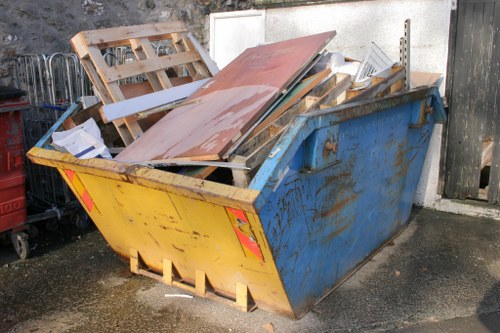 Purpose: This Health and Safety policy sets out how our commercial waste removal and rubbish collection operations are managed to protect employees, clients, contractors and the public. The policy applies to all aspects of our commercial rubbish removal activities, including vehicle operations, site collection, bulky item removal and waste transfer tasks. It clarifies responsibilities, outlines key controls, and describes how risk is assessed and reduced across the service area.
Scope: The policy covers routine commercial waste removal activities, specialist waste handling, segregation, and interim storage practices. It is relevant to staff engaged in loading and unloading, drivers, supervisory personnel and any temporary workers deployed during peak service periods. The policy aims to align safe working practices with operational needs for efficient waste removal Yeading clients and neighbouring commercial properties.
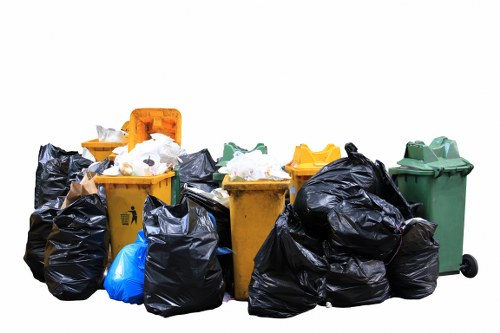 Policy statement: We are committed to maintaining a safe working environment. Commercial rubbish removal will be planned and controlled so risks to health and safety are eliminated or minimised. Management will ensure compliance with applicable standards, provide resources for safety measures, and support continuous improvement through monitoring and training.
Responsibilities and organisation
The company’s senior management is ultimately responsible for health and safety performance. Operational managers are accountable for implementing this policy in daily rubbish removal services, including ensuring staff competence and compliance with safe systems of work. Employees must follow instructions, use PPE, report hazards and cooperate with safety procedures.
Supervisors will carry out routine checks, oversee vehicle loading and storage, and verify that waste is segregated correctly. Contractors and subcontractors engaged for waste handling must demonstrate equivalent safety standards and receive induction prior to commencing work.
 Training and competence: Staff receive documented induction training, on-the-job supervision and periodic refresher courses covering manual handling, vehicle safety, spill response, and hazardous materials awareness. Training records are maintained and competence assessed prior to lone working or specialist tasks.
Risk assessment and control measures
Risk assessments are conducted for all routine and non-routine tasks within our waste removal operations. Assessments identify hazards such as manual handling injuries, slips and trips, vehicle collisions, sharps, and exposure to hazardous substances. Controls follow the hierarchy of elimination, substitution, engineering, administrative controls and PPE.
Key control measures include:
- Safe systems of work and clear task briefings before collection rounds
- Mechanical aids and team lifts for bulky items to reduce manual handling risks
- Vehicle inspections, secure load procedures and route planning to reduce road incidents
- Segregation of waste streams to prevent contamination and facilitate recycling
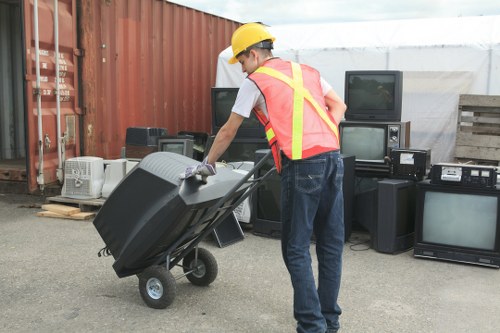
- Provision of suitable PPE such as high-visibility clothing, gloves, and steel-toe footwear
All control measures are regularly reviewed for effectiveness and updated where necessary.
Hazardous materials: Where potentially hazardous waste is encountered during commercial waste collection rounds, crews will follow defined isolation and notification procedures. Only trained personnel will handle hazardous items, and they will use appropriate containment and transport measures. Chemical spills are managed using spill kits, containment, and emergency reporting.
Vehicle and plant safety: Our fleet management program ensures vehicles are maintained, inspected before use and fitted with necessary safety equipment. Drivers follow safe loading practices, use seatbelts and undertake defensive driving training as part of our continual safety improvement for commercial waste removal services.
Incident reporting and emergency response: Any accident, near miss or unsafe condition must be reported immediately. Incidents are investigated to identify root causes and implement corrective actions. Emergency procedures include first aid arrangements, fire safety measures at temporary storage points and procedures for contacting emergency services where required.
 Monitoring and performance: Health and safety performance is monitored through regular audits, toolbox talks, and performance metrics such as incident rates and audit scores. Management reviews outcomes and allocates resources for high-risk areas. Continuous improvement is encouraged through staff suggestions and analysis of incident trends.
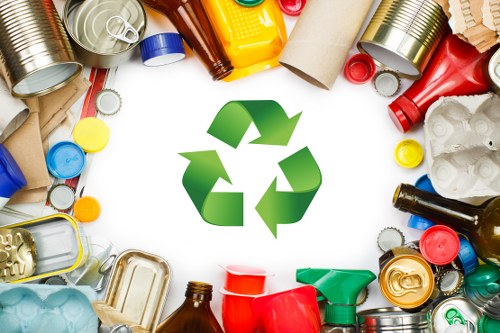
Waste segregation and environmental considerations: The policy emphasises responsible waste handling to maximise recycling and minimise landfill. Segregation protocols reduce cross-contamination, protect handlers from biological and chemical hazards and align operational practice with sustainability commitments related to commercial rubbish collection.
 Record keeping and review: Records of risk assessments, training, vehicle inspections, and incident reports are retained to demonstrate compliance and inform periodic reviews. This policy is reviewed at least annually or sooner when there are significant changes to operations, equipment, or legislation affecting the waste removal sector.
Commitment: We expect everyone involved in our commercial waste operations to prioritise safety and participate actively in maintaining a safe working environment. By integrating robust risk management with clear responsibilities and ongoing training, we ensure that our rubbish collection and commercial waste removal activities are conducted safely and professionally.
Signed: Company Management